OUR PODCASTS
Listen to the Future of Forensics.
Deep dives into cybercrime, legal frameworks, and digital investigation strategies.
Search podcasts by title
Showing 19 results out of 19.

Unmasking AI in Court: Expert Witness Audits Explored
Unvetted generative AI is quietly sneaking into courtroom expert reports, creating massive risks for legal teams. In this episode, FICS breaks down how to spot phantom citations, metadata red flags, and synthetic analysis before trial.
DOJ Directive 26-12: The End of Paper Compliance
In this episode, FICS breaks down the U.S. Department of Justice's Directive 26-12 and what it means for corporate compliance and fraud prevention. Learn how federal prosecutors are evaluating real-time monitoring, third-party risk, and executive accountability under the new guidelines. Discover practical steps your organization must take immediately to modernize its fraud protocols.
Why SIEM Logs Fail as Court Evidence in Employee Fraud Cases
Think a late-night database log showing employee credentials is a slam-dunk court case? Think again. In this episode, FICS breaks down why SIEM telemetry fails digital forensics admissibility standards and how to protect your organization.
Memory Imaging vs Network Logs: Catching Tampered Records
When attackers wipe event logs to hide their tracks, network taps alone fall short. Learn why volatile memory imaging is the ultimate source of forensic truth for catching tampered audit trails.

Unmasking Vendor Risks: How to Audit Hidden Ownership
Standard vendor questionnaires won't protect your enterprise from hidden foreign ownership risks. In this episode, FICS breaks down forensic supply chain auditing techniques to reveal ultimate beneficial owners and safeguard your network.
Defending Onboarding Against Generative Deepfake Fraud
Synthetic identity fraud is breaking traditional digital onboarding. In this episode from FICS, we examine how threat actors use virtual camera drivers and generative deepfakes to hijack verification APIs—and what forensic controls you need to stay safe.
Mobile IR: Why Logical iTunes Backups Leave 60% of Data Behind
In corporate incident response, speed often trades off with evidence thoroughness. We explore why relying on basic iTunes logical backups during an iOS incident creates dangerous blind spots, and why physical file system acquisitions are essential for FICS investigations.
WaterPlum IT Attacks: Is Your Hiring Process a Cyber Vulnerability?
DC3 has issued a critical advisory on WaterPlum, a state-sponsored North Korean cyber campaign infiltrating remote hiring pipelines. Learn how fake candidates deliver malware and steal source code, and how FICS recommends auditing your vetting controls.
Why Enterprise GenAI Needs Forensic Sandboxing by 2027
Autonomous AI agents are taking real-time actions on enterprise databases, but 68% of deployments lack immutable audit logs. In this episode, FICS breaks down why isolated forensic sandboxing will become a legal and regulatory requirement by 2027.
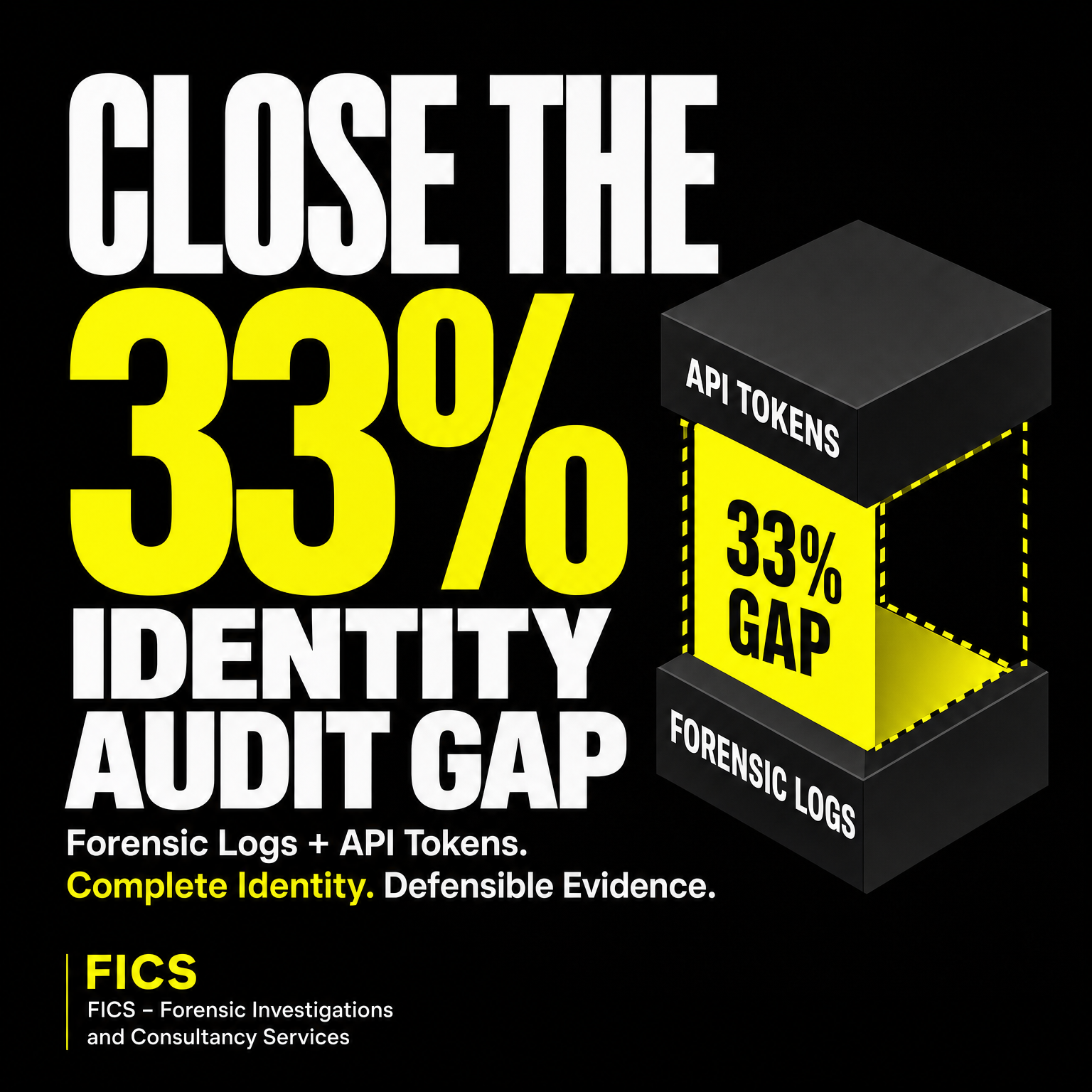
Mind the Identity Audit Gap: Forensic Logs vs API Tokens
33% of enterprise organizations fail regulatory identity audits despite tracking API tokens. In this episode, FICS breaks down why standard telemetry falls short in court and how cryptographic forensic logging bridges the audit gap.
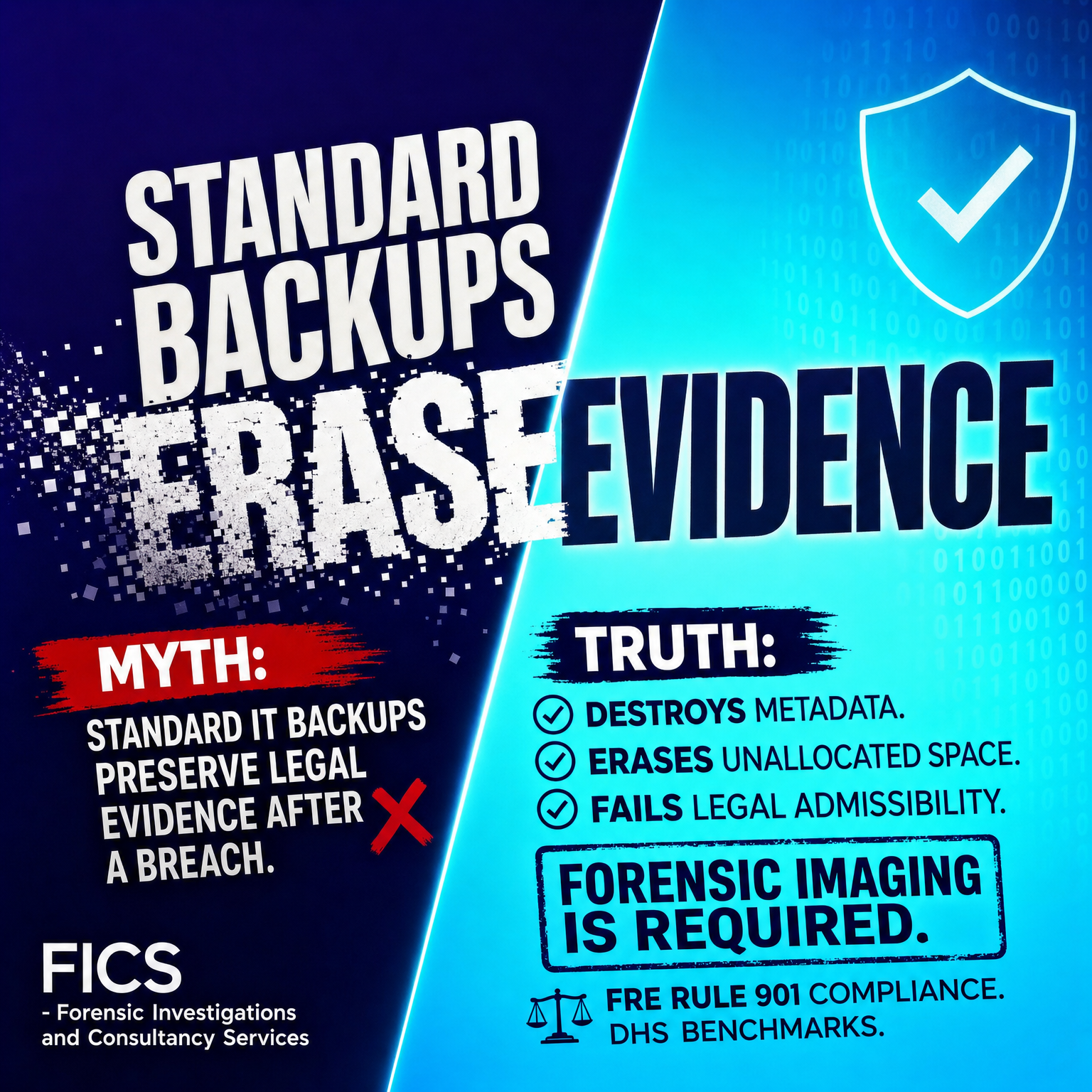
The Backup Myth: Why IT Backups Fail in Court
Think your nightly IT backups will protect you in court after a data breach? Think again. In this episode, FICS breaks down why standard disaster recovery destroys digital evidence and how to ensure your breach response is legally defensible.
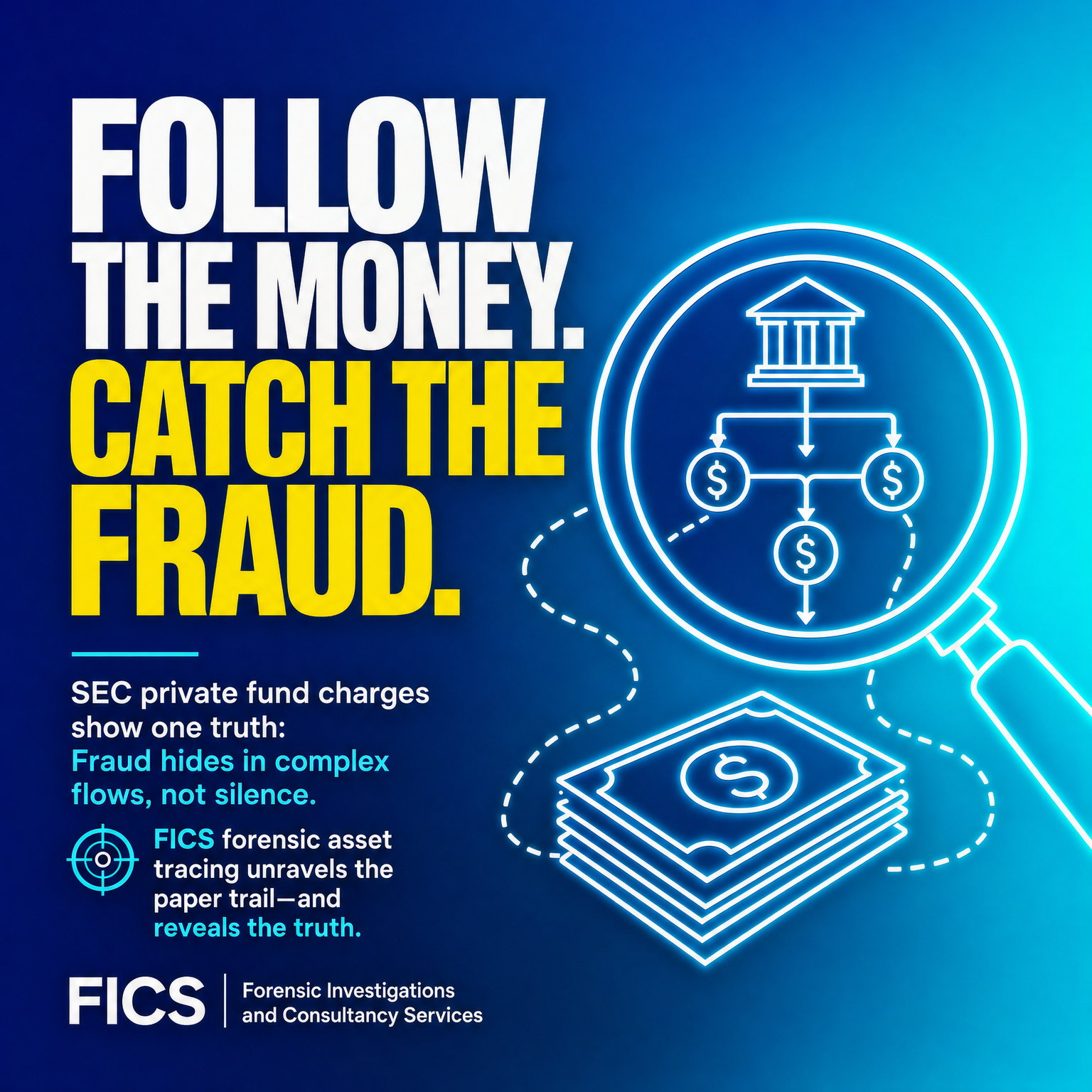
Unmasking Private Fund Fraud: Forensic Asset Tracing Explained
When SEC enforcement action drops on private fund managers, limited partners face a high-stakes challenge: locating where capital went before it disappears. In this episode, FICS breaks down common private fund fraud mechanics—from commingling to side pocket abuse—and explains how forensic asset tracing helps recover misallocated funds.
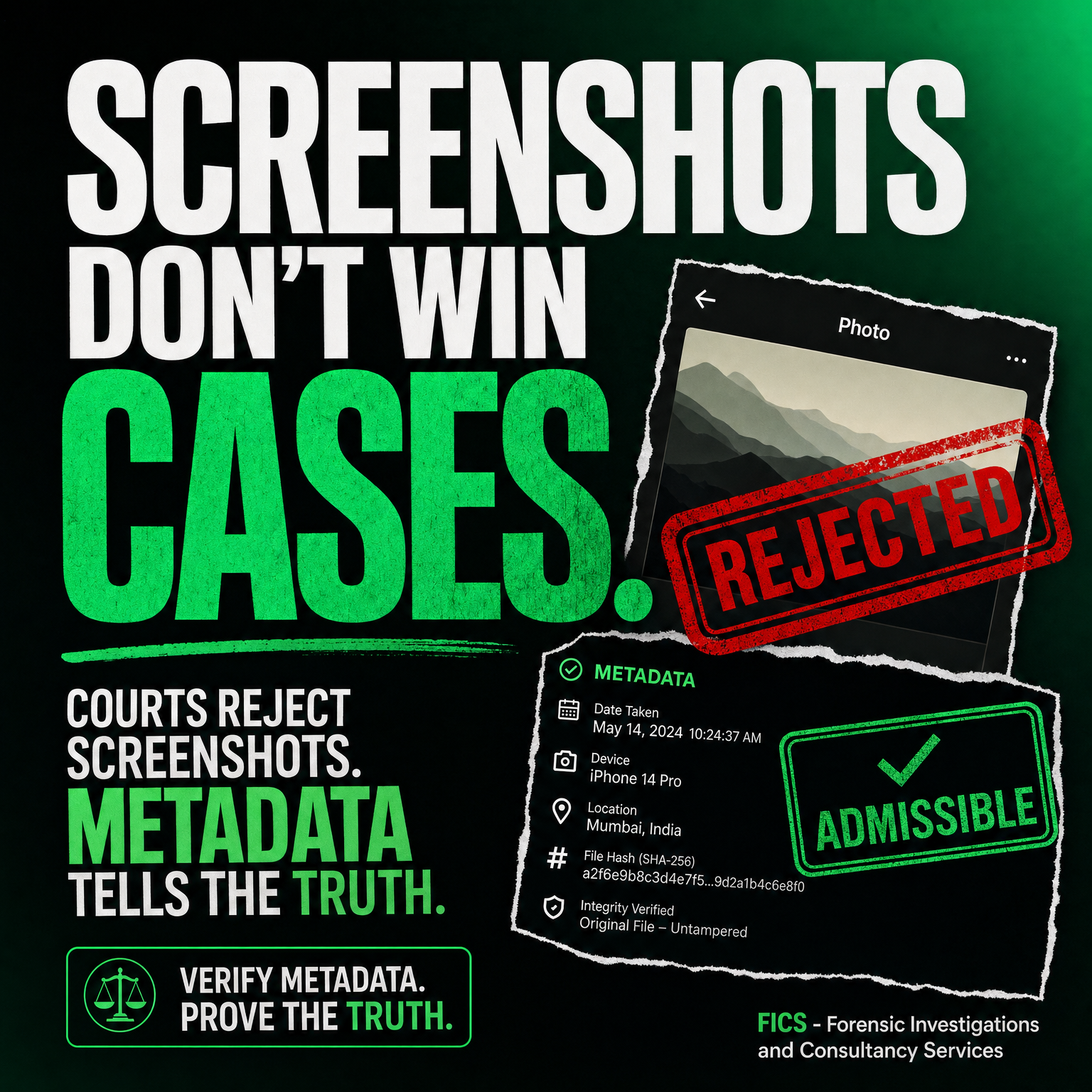
Why Screenshots Fail in Court: The Digital Evidence Trap
Think a quick smartphone screenshot will hold up in a court of law? Think again. In this episode, FICS experts unpack why unverified digital screen captures get thrown out by judges and what legal teams actually need to establish bulletproof metadata authenticity.
Oxford Study: Fixing the 48-Hour Digital Evidence Trap
A landmark Oxford study reveals major operational gaps in digital evidence handling during corporate investigations. We break down why the first 48 hours ruin legal strategy and how legal counsel can fix evidence handling before cases collapse. Powered by FICS - Forensic Investigations and Consultancy Services.
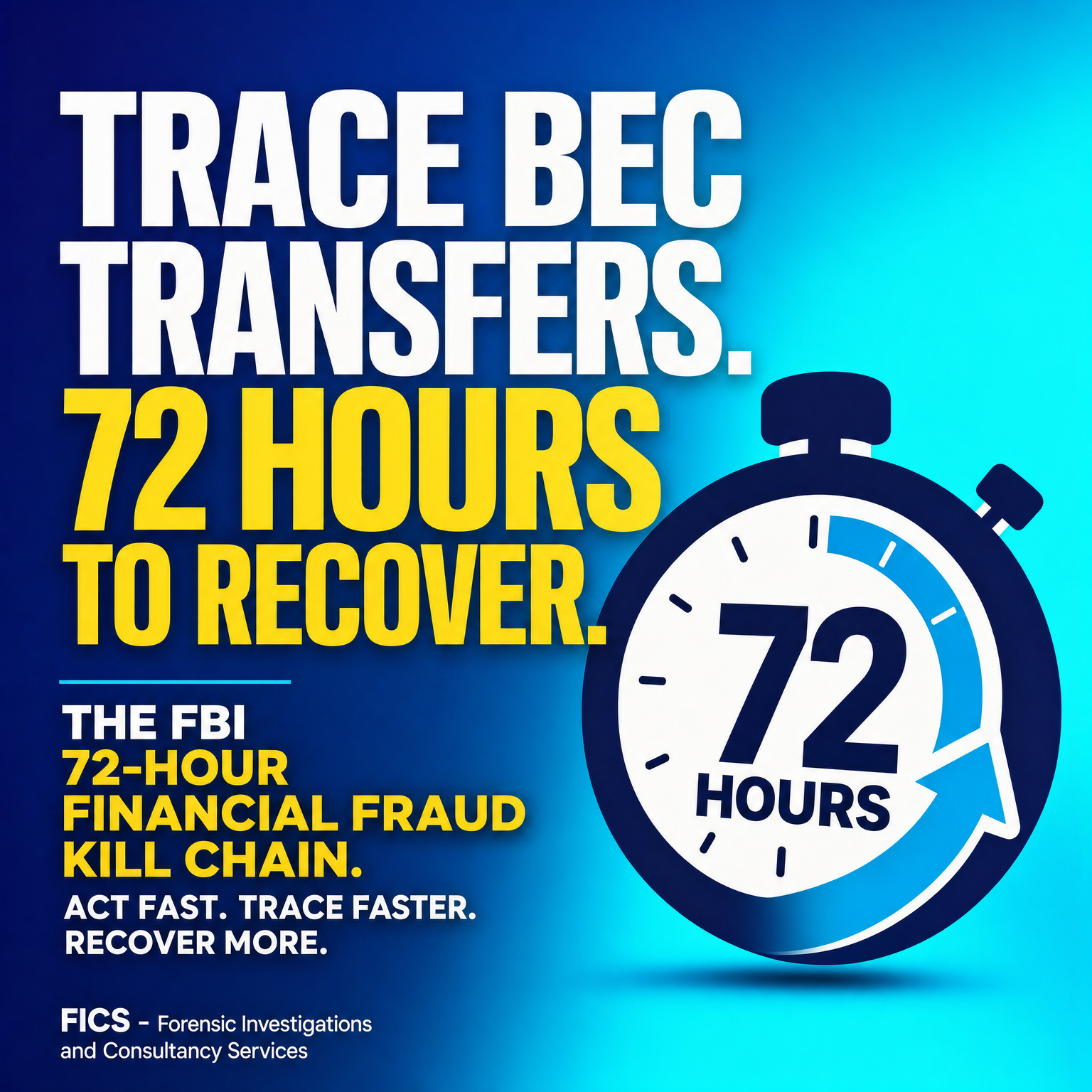
Tracing BEC Wire Transfers: The FBI 72-Hour Window
When a Business Email Compromise leads to a massive fraudulent wire transfer, the clock starts ticking. Learn how FICS uses the FBI's 72-Hour Window and Financial Fraud Kill Chain to interdict and recover stolen funds.

The $250K Audit Log Trap: Lessons from NY DFS Enforcement
When money transmitter Order Express was hit with a $250,000 fine by the NY DFS, the real story wasn't just the breach—it was missing audit logs. In this episode, experts from FICS break down regulatory expectations under 23 NYCRR Part 500 and how to ensure your forensic telemetry holds up.
Autonomous AI Audits: What DFIR Teams Need to Know
Anthropic's move to let AI models audit Claude Code actions alters digital forensics and incident response. Learn how autonomous AI oversight impacts chain of custody and how FICS recommends security teams adapt.
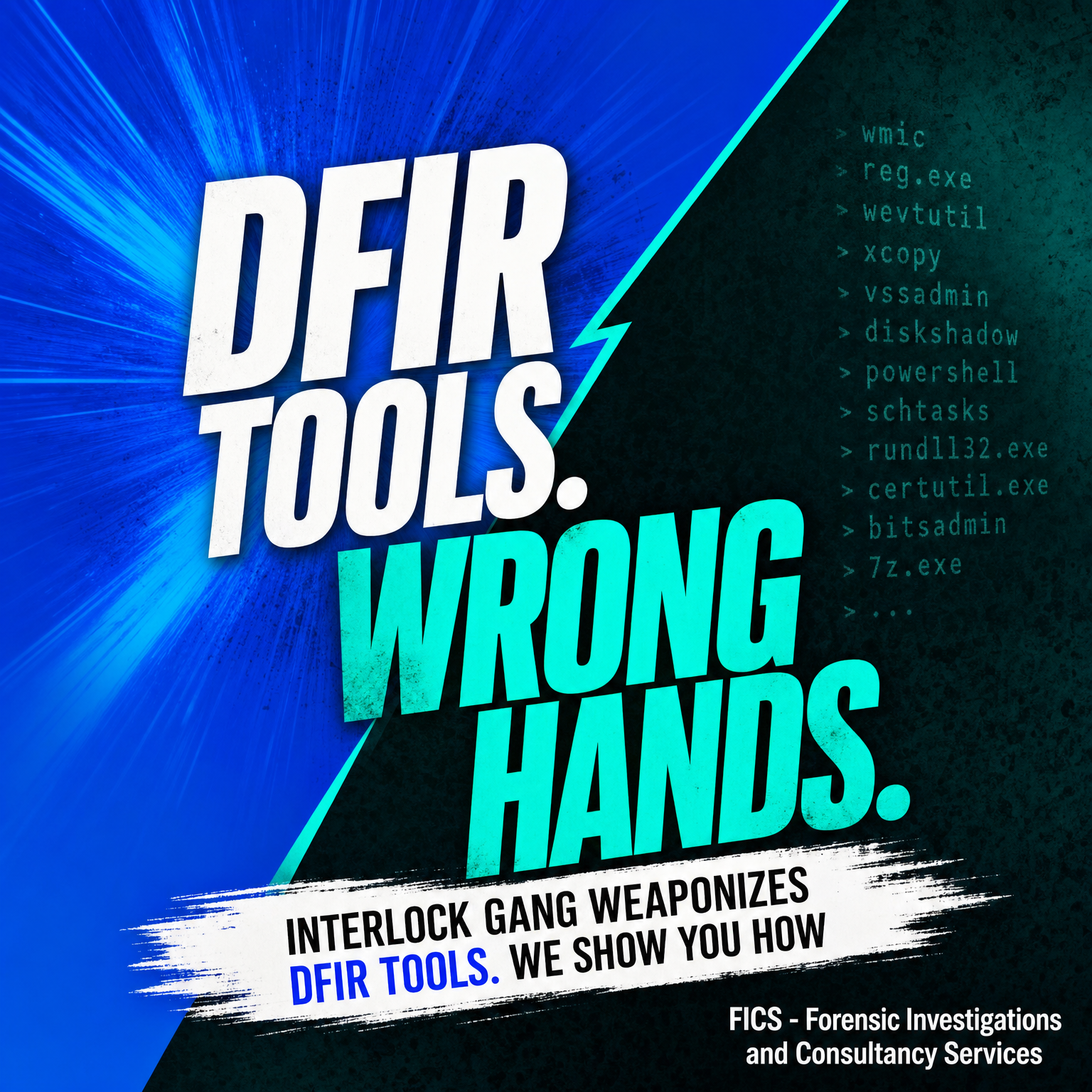
Interlock Gang: When Ransomware Weaponizes DFIR Tools
The Interlock ransomware gang is turning trusted DFIR and RMM tools into covert attack vectors. Learn how adversaries bypass EDR controls and what FICS recommends to detect abused software across your fleet.
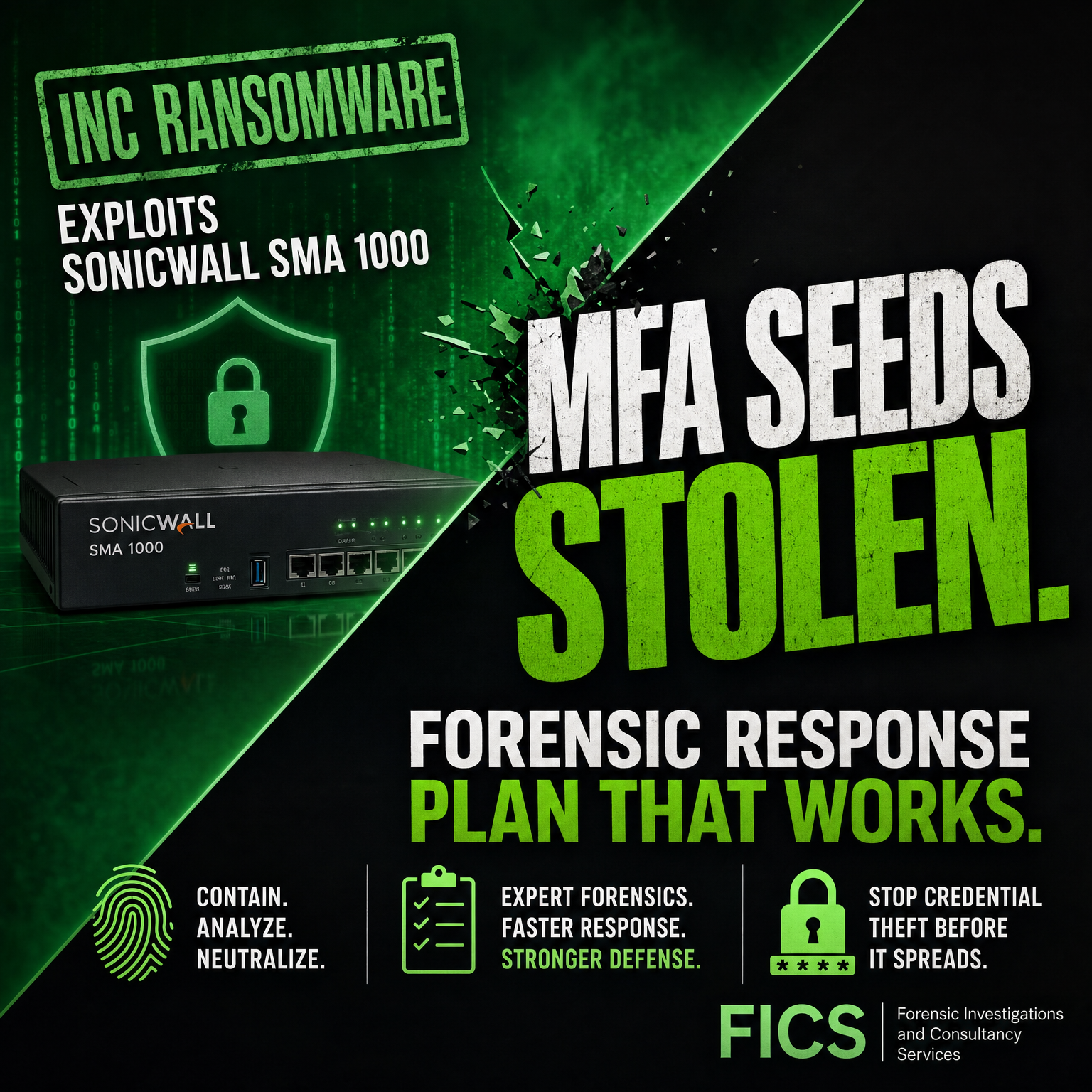
When MFA Fails: INC Ransomware & MFA Seed Theft
INC Ransomware operators are directly extracting raw TOTP MFA seeds from SonicWall appliances, completely bypassing traditional two-factor protection. FICS breaks down how this exploit works and provides an immediate forensic response plan for security teams.